











Is There a Side Effect to Low Power NVMe SSD? A Complete, Easy-to-Understand Guide
If you have ever dug into your laptop’s BIOS or power settings and noticed an option related to NVMe power management, you may have paused and wondered: is there a side effect to low power NVMe SSD settings, or is it simply a free way to save…
Windows 11 24H2 SSD Issues: Complete Guide to Causes, Symptoms & Fixes
If your solid-state drive has suddenly vanished from File Explorer, thrown strange errors, or stopped responding after a Windows update, you are not imagining things. Since mid-2025, a wave of reports has connected certain Windows 11 24H2 SSD issues to a…
How Much Free Space Should You Leave on Your SSD?
Leave about 10 to 20 percent of your SSD free, and try never to let it fall below 10 percent. On a 1TB drive that means keeping roughly 100 to 200 GB open. That headroom keeps the drive fast, helps it last longer, and gives your operating system room to…
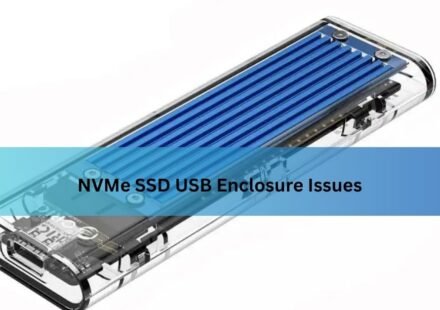
NVMe SSD USB Enclosure Issues: Why They Happen and How to Fix Them
An NVMe SSD in a USB enclosure should be simple: slide the drive in, plug it into your laptop, get a fast portable disk. Often it is. But a lot of people hit the same wall instead, a drive that vanishes mid-copy, speeds a fraction of what the box…
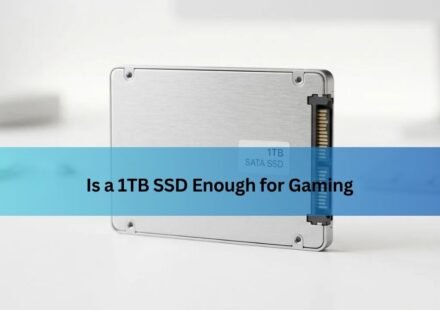
Is a 1TB SSD Enough for Gaming? What It Really Holds in 2026
Yes, for most gamers a 1TB SSD is enough. After Windows and the usual apps take their cut, you’re left with room for roughly six to eight big modern games installed at the same time, plus a handful of smaller ones. That covers how most people…
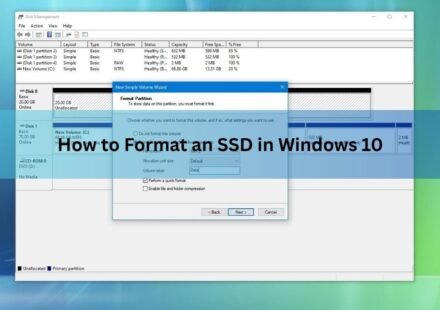
How to Format an SSD in Windows 10 (Step by Step)
Formatting an SSD in Windows 10 sets up a file system so the drive can store files, and it wipes whatever is on the drive now. The fastest way is File Explorer if the drive already has a letter like D: or E:. If the drive is brand new and shows as…
SSD Failure Symptoms: 7 Warning Signs and What to Do Next
Most SSDs die from wear on their flash memory, controller faults, firmware bugs, or power problems, and they warn you first through a handful of clear signs. The most common are files that suddenly go corrupt or refuse to open, a big drop in read and…
What to Do After Installing a New SSD: Your First-Day Checklist
You have fitted the drive and closed the case. Now what? After you install a new SSD, the short version is this: confirm your PC sees it, then either install Windows fresh onto it or clone your old drive, set it as the boot disk, and make sure the…
BIOS Not Seeing Your SSD? Here’s How to Get It Detected Again
If your BIOS can’t see your SSD, the cause is almost always one of three things: a loose or dead cable, a slot or port that’s fighting the drive for resources, or a BIOS setting that’s turned off. Each has a fix, and you can usually…
How to Tell If Your SSD Is Failing: Warning Signs and How to Check
A failing SSD usually shows a few clear signs: files that get corrupted or vanish, a sudden drop in speed, random crashes or freezes (especially while booting), and the drive flipping into read-only mode where you can open files but not save anything.…